


As a supplier of bunching machines, I've seen firsthand how crucial servo motors are in these machines. Bunching machines, whether it's a Wire Bunching Machine, Double Twist Machine, or Wire Stranding Machine, rely heavily on servo motors for optimal performance. So, let's dig into what role servo motors play in these bad boys.
Precise Control and Speed Regulation
One of the main jobs of a servo motor in a bunching machine is to provide precise control over various operations. In the wire bunching process, you need to twist multiple wires together at a specific speed and tension. A servo motor is like a maestro, perfectly coordinating these elements.
It can adjust its speed rapidly and accurately based on the requirements of the bunching task. For example, when you're working with thinner wires, you might need a slower and more controlled speed to prevent breakage. The servo motor can easily dial down its RPM and maintain that speed consistently. On the other hand, if you're dealing with thicker wires that can handle more stress, the motor can increase the speed without breaking a sweat.
This precise speed regulation also ensures uniform bunching. No one wants a bunch of wires that are unevenly twisted; it can lead to all sorts of issues, from poor electrical conductivity to mechanical instability. The servo motor makes sure that each twist is just right, allowing for high - quality end products.
Positioning and Tracking
In addition to speed control, servo motors are great at positioning and tracking in bunching machines. When you're aligning multiple strands of wire for bunching, the motor ensures that each wire is in the exact right place at the right time.
Let's say you have a Double Twist Machine that needs to twist wires in a specific pattern. The servo motor will move the different parts of the machine, such as the spools and the twisting mechanism, to precisely position the wires. It can also track the movement of the wires throughout the bunching process. If there's a slight deviation in the position of a wire, the motor can quickly correct it, ensuring that the bunching process stays on track.
This is especially important in complex bunching operations where multiple layers of wires need to be intertwined. The servo motor keeps everything in sync, so that the final product has the correct structure and properties.
Torque Control
Torque is another area where servo motors shine in bunching machines. Torque is essentially the force that causes rotation. In a bunching machine, you need to apply the right amount of torque to twist the wires together firmly without overdoing it.
Servo motors can adjust their torque output according to the load. For instance, if there are more wires being bunched or if the wires are thicker, the motor will increase the torque to ensure a proper twist. Conversely, when working with fewer or thinner wires, the motor can reduce the torque to prevent damage.
This ability to control torque also helps in energy efficiency. By only using as much force as needed, the servo motor doesn't waste energy, which is a big plus for both the environment and your bottom line.
Dynamic Response
Bunching machines often need to start and stop operations quickly, or make sudden changes in speed and direction. Servo motors are excellent at handling these dynamic situations.
They have a very fast response time, which means they can go from a standstill to full speed in a fraction of a second. This is useful when you need to start a new bunching cycle or make an emergency stop. In a Wire Stranding Machine, for example, if a wire breaks, the servo motor can stop the machine almost instantly to prevent further damage.
The motor can also reverse its direction rapidly if required. This is handy in some advanced bunching processes where the wires need to be twisted in different directions during the operation.
Integration with Control Systems
Servo motors in bunching machines are designed to be easily integrated with various control systems. This allows for more automated and sophisticated bunching operations.
You can use a programmable logic controller (PLC) to send commands to the servo motor. The PLC can be programmed to control the speed, torque, and position of the motor based on the specific requirements of the bunching job. For example, you can set up a sequence where the motor starts at a slow speed, gradually increases to a higher speed, and then slows down again at the end of the bunching cycle.
This integration also enables real - time monitoring and feedback. The control system can receive data from sensors in the machine, such as sensors for wire tension and speed, and adjust the servo motor accordingly. This ensures that the bunching process is always optimized and that any potential issues can be addressed immediately.
Impact on Productivity and Quality
All of these features of servo motors in bunching machines have a significant impact on productivity and quality.
In terms of productivity, the precise control, fast response, and energy efficiency of servo motors allow bunching machines to operate at higher speeds without sacrificing quality. You can complete more bunching tasks in less time, which means more products can be produced in a given period.
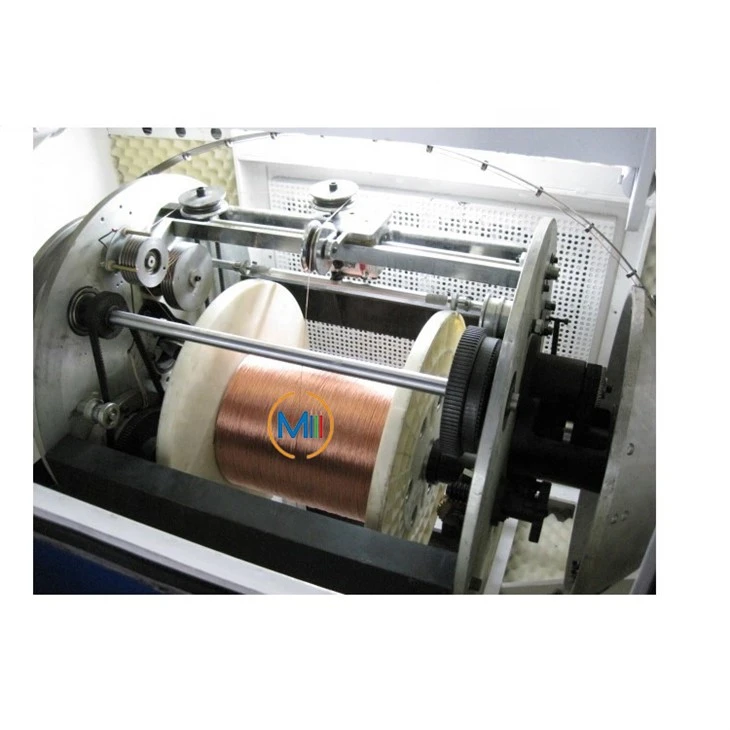

When it comes to quality, the uniform bunching, accurate positioning, and proper torque application result in high - quality wire products. These products are more reliable, have better electrical and mechanical properties, and are less likely to have defects. This is crucial for industries that rely on high - quality wire products, such as the electrical and automotive industries.
Conclusion and Call to Action
As you can see, servo motors are an essential component in bunching machines. They bring precision, control, and efficiency to the bunching process, which is vital for producing high - quality wire products.
If you're in the market for a Wire Bunching Machine, Double Twist Machine, or Wire Stranding Machine, and you want to ensure that you get the best performance, make sure to consider the quality of the servo motor.
We're here to help you find the perfect bunching machine for your needs. Our team of experts has in - depth knowledge of servo motors and bunching technology. If you have any questions, or if you're interested in purchasing a bunching machine, don't hesitate to get in touch with us for a procurement discussion.
References
- Industry - standard text on servo motors and their applications in machinery.
- Internal research and development reports on bunching machine technology.
- Expert interviews with professionals in the field of wire bunching and servo motor technology.


