


What is the power consumption of a Fine Wire Drawing Machine?
As a supplier of Fine Wire Drawing Machines, I often receive inquiries from customers about the power consumption of these machines. Understanding the power consumption is crucial for both cost - efficiency and operational planning. In this blog post, I will delve into the factors that influence the power consumption of a Fine Wire Drawing Machine and provide a comprehensive analysis.
Factors Affecting Power Consumption
-
Machine Specification and Capacity
The power consumption of a Fine Wire Drawing Machine is closely related to its specifications and capacity. Larger and more powerful machines generally consume more electricity. For instance, a heavy - duty fine wire drawing machine designed for high - volume production will have a higher power rating compared to a smaller, more compact model. These high - capacity machines are equipped with larger motors and more advanced components to handle the continuous and intensive drawing process, which inevitably leads to increased power usage. -
Type of Wire and Drawing Speed
The type of wire being drawn is another significant factor. Different materials such as aluminum, copper, and steel have different mechanical properties. Harder materials, like steel, require more force to draw through the dies, which means the machine has to work harder and consume more power.
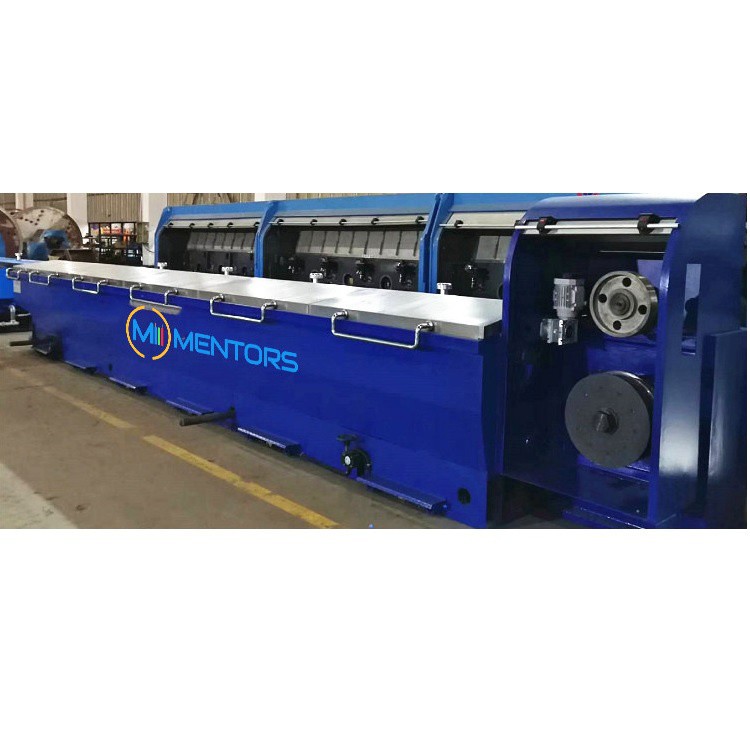
Moreover, the drawing speed also plays a vital role. Faster drawing speeds demand more energy as the machine has to move the wire through the dies at a quicker rate. A higher speed means more frequent and rapid movements of the various parts of the machine, increasing the overall power consumption. For example, if you are using an Aluminum Copper Wire Drawing Machine to draw copper wire at a high speed, the power consumption will be relatively high compared to a slower - speed operation.
-
Die Design and Condition
The design and condition of the drawing dies are critical. Well - designed dies can reduce the friction between the wire and the die surface, which in turn reduces the power required to draw the wire. On the contrary, worn - out or poorly designed dies can increase the frictional force. This increased friction forces the machine to work harder, leading to a significant increase in power consumption. Regular maintenance and replacement of dies are essential to ensure optimal performance and lower power usage. -
Efficiency of the Motor and Electrical System
The efficiency of the motor and the entire electrical system is a key determinant of power consumption. High - efficiency motors convert a larger proportion of electrical energy into mechanical energy, resulting in less wasted power. Modern Fine Wire Drawing Machines are often equipped with energy - efficient motors that can significantly reduce electricity consumption over time. Additionally, the electrical control system also plays a role. A well - designed control system can optimize the power supply to the machine based on the operating conditions, further improving energy efficiency.
Calculating Power Consumption
To calculate the power consumption of a Fine Wire Drawing Machine, we need to consider the power rating of the machine (usually specified in kilowatts, kW). The power rating gives an indication of the maximum power the machine can consume. However, the actual power consumption may vary depending on the operating conditions.
The formula for calculating the energy consumption (in kilowatt - hours, kWh) is: Energy Consumption (kWh)=Power (kW)×Time (h)
For example, if a fine wire drawing machine has a power rating of 10 kW and operates for 8 hours a day, the daily energy consumption would be 10 kW×8 h = 80 kWh.
It's important to note that this is a simplified calculation. In real - world scenarios, the machine may not always operate at its maximum power due to factors such as variable drawing speeds, idle times, and part - load operations. Therefore, to get a more accurate estimate, it is recommended to monitor the actual power consumption over a period of time using a power meter.
Case Studies
-
Case 1: Aluminum Wire Drawing
A company was using a Rod Breakdown Machine for Aluminum to produce aluminum wires. Initially, they were using old - fashioned dies and a motor with relatively low efficiency. The power consumption was quite high, and the production cost was also affected. After replacing the dies with new, well - designed ones and upgrading the motor to a more energy - efficient model, they noticed a significant reduction in power consumption. The daily energy consumption decreased by approximately 15%, leading to substantial cost savings over time. -
Case 2: Copper Wire Drawing at Different Speeds
Another example involved a facility using a Wire Rod Drawing Machine to draw copper wires. They conducted an experiment by running the machine at different drawing speeds. When they increased the drawing speed from 200 m/min to 300 m/min, the power consumption increased by about 20%. This clearly shows the impact of drawing speed on power consumption.
Tips to Reduce Power Consumption
-
Optimize Operating Parameters
Carefully adjust the drawing speed, tension, and other operating parameters according to the type of wire and the requirements of the production process. Running the machine at an optimal speed can reduce unnecessary power consumption. -
Regular Maintenance
Perform regular maintenance on the machine, including cleaning, lubrication, and inspection of the dies and electrical components. Well - maintained machines operate more efficiently and consume less power. -
Upgrade Equipment
Consider upgrading to more energy - efficient motors and control systems. Newer technologies can significantly improve the energy efficiency of the Fine Wire Drawing Machine.
Contact for Purchase and Consultation
If you are interested in our Fine Wire Drawing Machines and want to learn more about their power consumption, performance, or other aspects, we are here to assist you. Our team of experts can provide detailed information and help you choose the most suitable machine for your specific needs. Whether you are looking for a machine for small - scale production or large - scale industrial operations, we have the right solution for you. Feel free to reach out to us for a consultation and start the process of enhancing your wire - drawing operations with our high - quality machines.
References
- "Handbook of Wire Drawing Technology"
- "Energy Efficiency in Industrial Machines" research papers from leading engineering journals.


