


Hey there! As a supplier of Wire Rod Drawing Machines, I've got a ton of experience and knowledge about these nifty pieces of equipment. Today, I'm gonna share some operation skills for a wire rod drawing machine that'll help you get the most out of it.
1. Pre - operation Checks
Before you even think about firing up the Wire Rod Drawing Machine, you've gotta do some pre - operation checks. First off, take a good look at the machine's structure. Make sure all the nuts and bolts are tight. Loose fasteners can lead to vibrations during operation, which not only affect the quality of the drawn wire but can also cause damage to the machine over time.
Check the lubrication system. Adequate lubrication is crucial for the smooth running of the machine. Inspect the oil levels in the lubrication tanks. If the oil is low, top it up with the recommended lubricant. Also, check for any signs of leaks in the lubrication pipes. A leaky lubrication system can lead to insufficient lubrication, which can increase friction and wear on the machine's components.
Examine the wire rod itself. The wire rod should be clean and free from any surface defects like cracks or bumps. These defects can cause problems during the drawing process, such as breakage or uneven drawing. You can use a simple visual inspection or a non - destructive testing method to check the quality of the wire rod.
2. Setting up the Machine
Once you've completed the pre - operation checks, it's time to set up the Wire Rod Drawing Machine. Start by adjusting the drawing speed. The drawing speed depends on several factors, such as the type of wire rod, the diameter reduction required, and the quality of the final product. For example, if you're working with a soft metal like aluminum, you can usually set a higher drawing speed compared to a harder metal like steel.
Set the appropriate die sizes. The dies are the key components that shape the wire rod during the drawing process. You need to select the right die sizes based on the initial and final diameters of the wire rod. Make sure the dies are properly installed and aligned. Misaligned dies can cause uneven drawing and can also damage the wire rod.
Tension control is also important. You need to adjust the tension on the wire rod during the drawing process. Too much tension can cause the wire rod to break, while too little tension can result in an uneven draw. You can use a tension control device to maintain the optimal tension throughout the drawing process.
3. Operating the Machine
When operating the Wire Rod Drawing Machine, it's important to monitor the process closely. Keep an eye on the wire rod as it passes through the dies. Look for any signs of abnormal behavior, such as excessive vibration, uneven drawing, or breakage. If you notice any issues, stop the machine immediately and troubleshoot the problem.
Pay attention to the temperature of the machine. The drawing process generates heat, and if the machine gets too hot, it can damage the components. You can use a temperature sensor to monitor the temperature of the machine. If the temperature exceeds the recommended limit, you may need to reduce the drawing speed or increase the cooling rate.
Regularly check the quality of the drawn wire. Measure the diameter of the wire at different points to ensure that it meets the required specifications. You can also check the surface finish of the wire. A smooth and uniform surface finish indicates a good drawing process.
4. Maintenance during Operation
During the operation of the Wire Rod Drawing Machine, you need to perform some maintenance tasks to keep the machine in good condition. Clean the dies regularly. The dies can accumulate debris and metal particles during the drawing process, which can affect the quality of the drawn wire. You can use a cleaning solution and a soft brush to clean the dies.
Check the lubrication system continuously. Make sure the lubricant is flowing properly and that there are no blockages in the pipes. If you notice any problems with the lubrication system, fix them immediately to prevent damage to the machine.
Inspect the wire guides. The wire guides help to keep the wire rod in the correct position during the drawing process. Over time, the wire guides can wear out or become misaligned. Check them regularly and replace them if necessary.

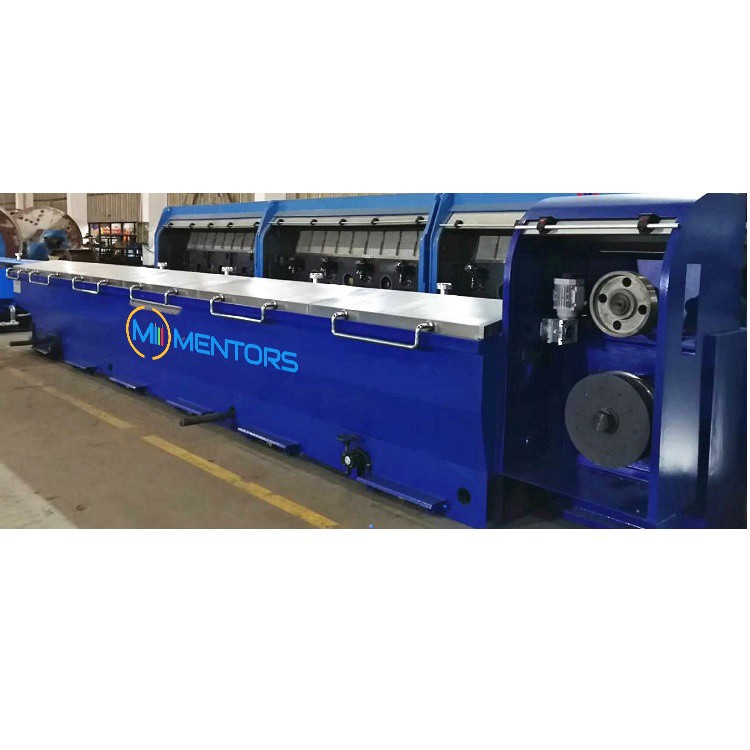
5. Post - operation Maintenance
After you've finished using the Wire Rod Drawing Machine, it's important to perform post - operation maintenance. First, shut down the machine properly. Follow the manufacturer's instructions to turn off the power and any other control systems.
Clean the entire machine. Remove any remaining wire debris, lubricant, and dirt from the machine's surface. You can use a cleaning cloth and a mild cleaning agent to clean the machine.
Store the machine in a dry and clean environment. Moisture can cause corrosion on the machine's components, so it's important to keep the machine dry. You can cover the machine with a protective cover to prevent dust and debris from accumulating on it.
Different Types of Wire Rod Drawing Machines
There are different types of wire rod drawing machines available, each with its own features and operation skills. For example, the Fine Wire Drawing Machine for Aluminum is specifically designed for drawing fine aluminum wires. When operating this type of machine, you need to pay special attention to the drawing speed and the die selection. Since aluminum is a soft metal, you can usually achieve a higher drawing speed, but you also need to use dies with a very smooth surface to ensure the quality of the fine wire.
The Wire Line Drawing Machine is used for drawing wire in a continuous line. This type of machine requires careful tension control and synchronization between different drawing stages. You need to make sure that the wire is drawn evenly throughout the entire line to avoid any breakage or uneven drawing.
If you're interested in learning more about our Wire Rod Drawing Machine, or if you have any questions about the operation skills or need to purchase one, feel free to get in touch with us. We're always here to help you make the most of our machines and ensure that you get the best results.
References
- "Handbook of Metal Forming" by George E. Dieter
- "Manufacturing Engineering and Technology" by Serope Kalpakjian and Steven R. Schmid


