


Hey there! As a supplier of Copper Wire Welding Machines, I often get asked about how these nifty machines work. So, I thought I'd take a few minutes to break it down for you in a way that's easy to understand.
First off, let's talk about why copper wire welding is so important. Copper is a great conductor of electricity and heat, which makes it a popular choice in a whole bunch of industries, like electronics, automotive, and power generation. Welding copper wires together is crucial for creating reliable electrical connections and ensuring that everything works as it should.
Now, let's dive into the working principle of a copper wire welding machine. There are a few different types of welding methods used for copper wires, but the most common ones are resistance welding and soldering. I'll focus on resistance welding here because it's super efficient and widely used.
Resistance Welding Basics
Resistance welding works on the principle of using electrical resistance to generate heat. When an electric current passes through a conductor, like a copper wire, it encounters resistance. This resistance causes the wire to heat up. In a resistance welding machine, we use this heat to melt the copper wires at the point where we want to join them.
Here's a step - by - step look at how it happens:
1. Clamping the Wires
The first thing we do is clamp the copper wires firmly in place between two electrodes. These electrodes are made of a highly conductive material, usually copper or a copper alloy. The clamping is really important because it ensures good electrical contact between the electrodes and the wires, and it also holds the wires in the right position for welding.
2. Applying Current
Once the wires are clamped, we apply a high - intensity electric current through the electrodes and into the copper wires. The current flows through the wires, and because of the resistance in the wires, heat is generated. The amount of heat produced depends on a few factors, like the magnitude of the current, the duration of the current flow, and the resistance of the wires.
3. Melting and Bonding
As the heat builds up, the copper at the contact point between the two wires starts to melt. The melted copper from both wires mixes together, and when the current is turned off and the heat dissipates, the melted copper solidifies. This forms a strong, permanent bond between the two wires.
4. Cooling
After the welding process is complete, the welded joint needs to cool down. Cooling helps to ensure that the bond is strong and that the structure of the copper in the joint is stable. Sometimes, we use cooling systems in the welding machine to speed up this process.
Key Components of a Copper Wire Welding Machine
To make this whole process work, a copper wire welding machine has several key components:

Power Supply
The power supply is the heart of the welding machine. It provides the electrical energy needed to generate the welding current. The power supply needs to be able to deliver a precise amount of current at the right voltage for the specific welding job.
Electrodes
As I mentioned earlier, the electrodes are used to clamp the wires and conduct the welding current. They need to be made of a material that can withstand the high temperatures generated during welding and that has good electrical conductivity.
Control System
A control system is used to regulate the welding process. It controls the amount of current, the duration of the current flow, and other parameters. This ensures that the welding is consistent and of high quality.
Cooling System
Since a lot of heat is generated during welding, a cooling system is essential. It helps to prevent the electrodes and other components of the machine from overheating, which could damage the machine and affect the quality of the welds.
Advantages of Resistance Welding for Copper Wires
There are several reasons why resistance welding is a popular choice for joining copper wires:
Speed
Resistance welding is a very fast process. It can create strong welds in a matter of seconds, which makes it ideal for high - volume production environments.
Strength
The welds created by resistance welding are very strong. They can withstand mechanical stress and electrical currents without breaking, which is crucial in applications where reliability is key.
Cleanliness
Compared to some other welding methods, resistance welding is relatively clean. There's no need for additional filler materials, so there's less mess and waste.
Related Accessories
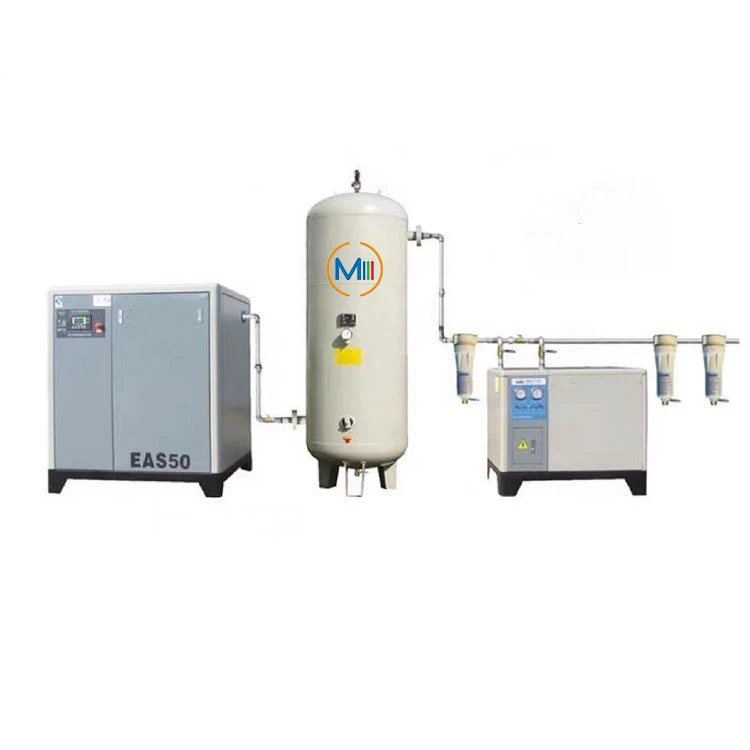
If you're in the business of working with copper wires, you might also be interested in some related accessories. For example, an Air Compressor For Wire Drawing can be really useful for the wire - drawing process, which often precedes welding. An ABS Plastic Spool is great for storing and organizing your copper wires. And a Copper Powder Filter for Wire Drawing can help keep your wire - drawing equipment clean and running smoothly.
Quality Control in Copper Wire Welding
Ensuring the quality of the welded joints is of utmost importance. We use several methods to check the quality of the welds. One common method is visual inspection. We look at the weld to make sure it has a smooth surface, no cracks, and that the joint is properly formed.
We also use non - destructive testing methods, like ultrasonic testing. Ultrasonic waves are sent through the weld, and by analyzing the way the waves are reflected, we can detect any internal defects in the weld.
Customization and Flexibility
One of the great things about our copper wire welding machines is that they can be customized to meet different customer needs. Whether you're working with thin copper wires in the electronics industry or thicker wires in the power generation sector, we can adjust the machine settings to get the perfect weld.
Why Choose Our Copper Wire Welding Machines
As a supplier, we take pride in offering high - quality copper wire welding machines. Our machines are built with the latest technology, which means they are efficient, reliable, and easy to operate. We also provide excellent customer support, so if you have any questions or run into any issues, our team is always ready to help.
If you're in the market for a copper wire welding machine or any of the related accessories I mentioned earlier, we'd love to hear from you. Whether you're a small - scale workshop or a large manufacturing plant, we have the right solution for you. Contact us to start a conversation about your specific needs and how our products can help you achieve your goals.
References
- "Welding Handbook", American Welding Society
- "Principles of Electric Resistance Welding", Resistance Welding Manufacturers Alliance


