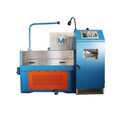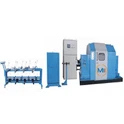

A steel wire drawing machine is a crucial piece of equipment in the metalworking industry, used to reduce the cross-section of steel wires through a series of dies. However, like any complex machinery, it can encounter malfunctions that disrupt production. As a supplier of steel wire drawing machines, I understand the importance of quick and effective troubleshooting to minimize downtime. In this blog post, I'll share some common issues and how to troubleshoot them.
1. Electrical System Malfunctions
One of the most common areas where problems can occur is the electrical system. If the machine fails to start or suddenly stops during operation, the electrical components are often the culprit.
Check the Power Supply
The first step is to ensure that the machine is receiving power. Check the main power switch, circuit breakers, and fuses. A tripped circuit breaker or a blown fuse can easily cut off power to the machine. If a fuse is blown, replace it with a fuse of the same rating. Avoid using a higher-rated fuse, as this can lead to overheating and potential damage to the electrical system.


Inspect Electrical Connections
Loose or corroded electrical connections can cause intermittent power problems. Examine all the wiring connections in the control panel and around the machine. Tighten any loose connections and clean any corroded terminals with a wire brush and electrical contact cleaner. Pay special attention to connections near moving parts, as vibration can cause them to loosen over time.
Test the Control Panel
The control panel houses the machine's operating controls and sensors. If the machine is not responding correctly to commands, test the control panel. Use a multimeter to check for proper voltage at the control inputs and outputs. Look for any error messages on the control panel display, as these can provide valuable clues about the problem. If you suspect a faulty component in the control panel, such as a relay or a programmable logic controller (PLC), consult the machine's manual or contact a professional technician for further diagnosis and repair.
2. Mechanical Component Failures
The mechanical components of a steel wire drawing machine are subjected to high stress and wear during operation, making them prone to failure.
Check the Dies
The dies are critical components in the wire drawing process, as they determine the final diameter and quality of the wire. Worn or damaged dies can cause problems such as wire breakage, uneven wire diameter, and poor surface finish. Inspect the dies regularly for signs of wear, such as scratches, cracks, or excessive buildup of metal particles. Replace any worn or damaged dies with new ones that are properly sized and installed.
Examine the Capstans and Pulleys
The capstans and pulleys are responsible for pulling the wire through the dies. Over time, the surfaces of these components can wear down, causing the wire to slip or break. Check the capstans and pulleys for signs of wear, such as grooves or uneven surfaces. If necessary, resurface or replace these components to ensure smooth and consistent wire movement.
Lubrication Issues
Proper lubrication is essential for the smooth operation of the machine's mechanical components. Insufficient lubrication can lead to increased friction, wear, and overheating. Check the lubrication levels in all the lubrication points, such as the bearings, gears, and chains. Use the recommended lubricant and follow the manufacturer's guidelines for lubrication intervals. If you notice any signs of oil leakage or contamination, address the issue promptly to prevent further damage.
3. Wire Quality and Feeding Problems
Problems with the wire itself or the feeding system can also cause malfunctions in the wire drawing machine.
Check the Wire Quality
The quality of the incoming wire can have a significant impact on the performance of the wire drawing machine. Poor-quality wire may contain impurities, inclusions, or surface defects that can cause wire breakage or other problems during the drawing process. Inspect the wire before it enters the machine for any visible defects. If possible, test the wire's mechanical properties, such as tensile strength and ductility, to ensure that it meets the requirements of the drawing process.
Examine the Wire Feeding System
The wire feeding system is responsible for delivering the wire to the machine at a consistent speed and tension. A malfunctioning feeding system can cause the wire to tangle, break, or enter the dies at an incorrect angle. Check the wire feeding mechanism for any signs of damage or misalignment. Adjust the tensioning devices to ensure that the wire is fed smoothly and evenly. If the wire is not feeding properly, clean the feeding guides and rollers to remove any debris or buildup that may be causing the problem.
4. Cooling and Lubrication System Problems
The cooling and lubrication systems play a crucial role in maintaining the proper operating temperature and reducing friction in the wire drawing machine.
Check the Cooling System
The cooling system is designed to remove heat generated during the wire drawing process. If the cooling system is not functioning properly, the machine may overheat, leading to damage to the components. Check the coolant level in the cooling tank and ensure that the coolant is flowing freely through the system. Inspect the cooling pipes and hoses for any leaks or blockages. Clean the cooling radiator or heat exchanger regularly to prevent the buildup of dirt and debris, which can reduce its cooling efficiency.
Examine the Lubrication System
As mentioned earlier, proper lubrication is essential for the smooth operation of the machine. In addition to checking the lubrication levels, also inspect the lubrication system for any signs of blockages or leaks. The lubrication pump should be functioning properly to ensure a consistent supply of lubricant to the critical components. If the lubrication system is not working correctly, the machine may experience increased wear and tear, leading to premature failure of the components.
5. Specific Machine Types and Troubleshooting
Different types of steel wire drawing machines may have unique troubleshooting requirements. Here are some specific considerations for Low Carbon Wire Drawing Machine, Wet Wire Drawing Machine, and Stainless Steel Wire Drawing Machine.
Low Carbon Wire Drawing Machine
Low carbon wire is relatively soft and ductile, which can sometimes lead to issues such as wire sticking in the dies. To troubleshoot this problem, ensure that the dies are properly lubricated and that the drawing speed is appropriate for the wire material. Adjust the tension settings to prevent the wire from bunching up or stretching too much.
Wet Wire Drawing Machine
Wet wire drawing machines use a lubricant solution to reduce friction and cool the wire during the drawing process. Common problems with wet wire drawing machines include issues with the lubricant solution, such as contamination or improper concentration. Regularly check the quality of the lubricant solution and replace it as needed. Also, ensure that the lubricant is being applied evenly to the wire.
Stainless Steel Wire Drawing Machine
Stainless steel wire is more difficult to draw than low carbon wire due to its higher strength and hardness. Troubleshooting a stainless steel wire drawing machine may involve adjusting the drawing force, die selection, and lubrication to accommodate the properties of the stainless steel. Pay close attention to the surface finish of the drawn wire, as any imperfections can indicate problems with the dies or the drawing process.
Conclusion
Troubleshooting a steel wire drawing machine requires a systematic approach and a good understanding of the machine's components and operation. By following the steps outlined in this blog post, you can identify and resolve many common malfunctions quickly and effectively. However, if you encounter a problem that you are unable to solve on your own, don't hesitate to contact us. As a professional steel wire drawing machine supplier, we have the expertise and experience to provide you with the support and solutions you need. Whether you need technical advice, replacement parts, or on-site service, we are here to help you keep your production running smoothly. Contact us today to discuss your needs and explore how our steel wire drawing machines can meet your requirements.
References
- Steel Wire Drawing Machine Operation Manuals
- Metalworking Industry Technical Publications
- Professional Journals on Manufacturing and Machinery Maintenance