

Operating a manual wire stranding machine might seem like a daunting task, especially for those new to the field of wire processing. However, with the right knowledge and a bit of practice, it can become a smooth and efficient process. As a leading supplier of wire stranding machines, we understand the importance of providing clear guidance on how to operate these machines effectively. In this blog post, we'll walk you through the step - by - step process of operating a manual wire stranding machine.
Pre - operation Preparations
Before you start operating the manual wire stranding machine, several crucial preparations need to be made.
Machine Inspection
First and foremost, conduct a thorough inspection of the machine. Check for any visible damage to the frame, gears, or other mechanical components. Look for loose bolts or screws and tighten them if necessary. Ensure that the stranding dies are clean and in good condition. Any debris or damage to the dies can affect the quality of the stranded wire.
Wire Selection
Select the appropriate wire for your stranding needs. Consider factors such as wire material (copper, aluminum, etc.), wire diameter, and the number of wires to be stranded. Different applications may require different types of wires. For example, high - voltage electrical applications may demand copper wires with a specific gauge.
Lubrication
Proper lubrication is essential for the smooth operation of the machine. Check the lubrication points and ensure that they are well - lubricated. Use the recommended lubricant as specified in the machine's manual. Insufficient lubrication can lead to increased friction, wear and tear, and even machine breakdown.
Loading the Wires
Once the pre - operation preparations are complete, it's time to load the wires onto the machine.
Bobbin Mounting
Most manual wire stranding machines use bobbins to hold the individual wires. Mount the bobbins onto the creels or spool holders of the machine. Make sure the bobbins are securely fixed to prevent them from slipping during the stranding process.
Threading the Wires
Thread each wire from the bobbin through the guide eyes and into the stranding die. The guide eyes help to keep the wires in the correct position and prevent them from tangling. Ensure that the wires are threaded smoothly and without any kinks. This step requires patience and attention to detail.
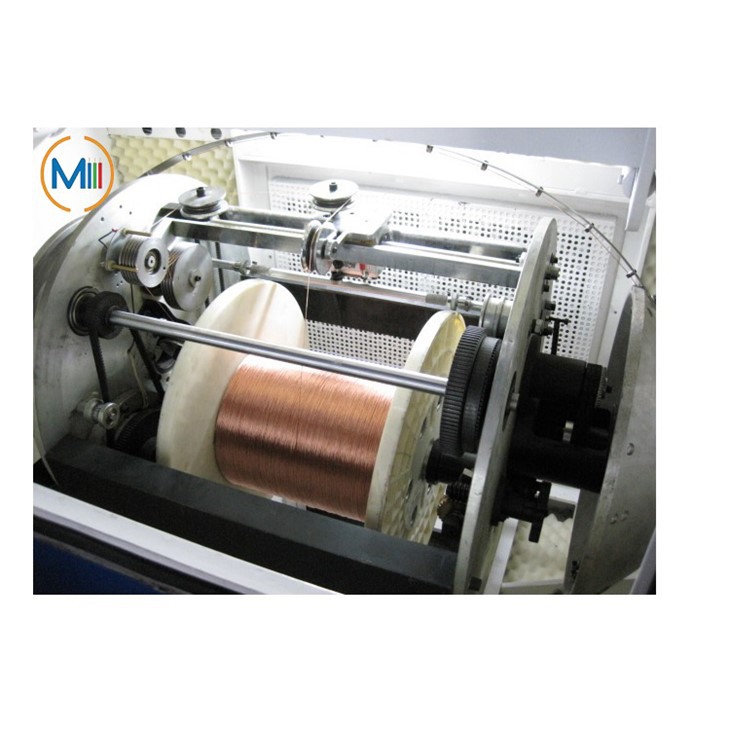
Adjusting the Machine Settings
Before starting the stranding process, you need to adjust the machine settings according to your requirements.
Stranding Pitch
The stranding pitch refers to the distance between successive twists in the stranded wire. Adjust the pitch by changing the gear ratio or using the pitch adjustment mechanism on the machine. A smaller pitch results in a tighter twist, while a larger pitch gives a looser twist. The appropriate pitch depends on the application of the stranded wire.
Twist Direction
Decide on the twist direction, either clockwise or counter - clockwise. Most manual wire stranding machines allow you to change the twist direction easily. The twist direction can affect the performance and appearance of the stranded wire, so choose it carefully based on your needs.
Starting the Stranding Process
After adjusting the settings, you can start the stranding process.
Initial Checks
Before turning on the machine, double - check that all the wires are properly threaded and the machine settings are correct. Make sure that the work area is clear of any obstacles and that all safety guards are in place.
Power On
Turn on the power switch of the manual wire stranding machine. Start the machine at a slow speed to ensure that everything is working smoothly. Observe the movement of the wires and the machine components. If you notice any abnormal noises or vibrations, stop the machine immediately and check for problems.
Monitoring the Process
Once the machine is running, continuously monitor the stranding process. Check the quality of the stranded wire, including the twist uniformity and the tightness of the strands. If you find any issues, such as loose strands or uneven twists, make the necessary adjustments to the machine settings.
Stopping the Machine and Post - operation Procedures
When the stranding process is complete, it's time to stop the machine and perform some post - operation procedures.
Stopping the Machine
Gradually reduce the speed of the machine and then turn off the power switch. Wait for the machine to come to a complete stop before removing the stranded wire.
Removing the Stranded Wire
Carefully remove the stranded wire from the machine. Cut the wire to the desired length using appropriate cutting tools. Make sure to handle the wire gently to avoid damaging the strands.

Machine Cleaning and Maintenance
After removing the wire, clean the machine thoroughly. Remove any residual wires, debris, or lubricant from the machine components. Check the machine for any signs of wear and tear and perform any necessary maintenance tasks, such as replacing worn - out parts or tightening loose connections.
Related Machines
In addition to the manual wire stranding machine, we also offer a range of related machines that can enhance your wire processing capabilities. For example, our Wire Bunching Machine is designed to quickly bunch multiple wires together, increasing the efficiency of your wire preparation process. The Wire Buncher Machine 1250 is a high - performance machine suitable for large - scale wire bunching operations. And our Double Twist Machine can provide a more complex and precise twisting pattern for special applications.
Contact Us for Purchase and Consultation
Operating a manual wire stranding machine requires a combination of knowledge, skill, and attention to detail. If you're looking to purchase a wire stranding machine or need more information about our products, we're here to help. Our team of experts can provide you with in - depth guidance on machine selection, operation, and maintenance. Whether you're a small - scale workshop or a large - scale manufacturing plant, we have the right solution for your wire processing needs. Contact us today to start a discussion about your requirements and take your wire processing operations to the next level.
References
- Manufacturer's manual of the manual wire stranding machine
- Industry standards for wire stranding processes
- Technical papers on wire processing technology