

Hey there! As a supplier of wire stranding machines, I often get asked if these machines can be integrated into an automated production line. Well, the short answer is yes, they definitely can! And in this blog, I'm gonna dive deep into why and how you can do it.
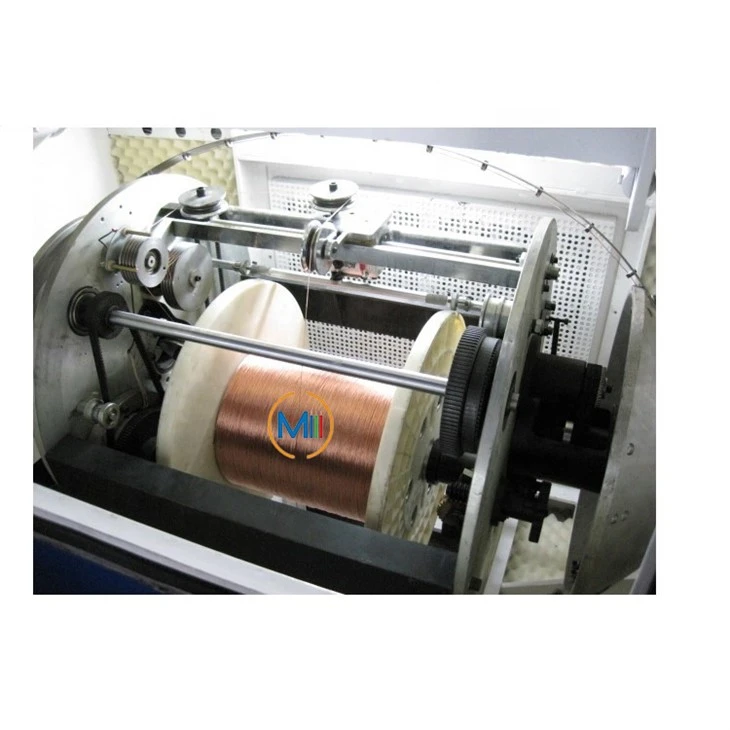
First off, let's talk about what a wire stranding machine does. A Wire Stranding Machine is used to twist multiple wires together to form a single, stronger cable. This process is crucial in industries like telecommunications, power transmission, and automotive, where high - quality cables are a must.
Now, why would you want to integrate a wire stranding machine into an automated production line? There are several reasons. For starters, automation can significantly increase productivity. In a manual setup, operators have to monitor the stranding process constantly, adjust the speed, and make sure the wires are feeding correctly. This takes a lot of time and effort. But with an automated production line, the wire stranding machine can work continuously at an optimal speed, reducing the production time per unit.
Another big advantage is consistency. When you rely on manual labor, there's always a chance of human error. Different operators may have different techniques, which can lead to variations in the quality of the stranded wires. An automated system, on the other hand, follows the same set of instructions every time. This ensures that each cable produced meets the same high - quality standards, which is essential for maintaining customer satisfaction.
Cost - effectiveness is also a major factor. Although the initial investment in an automated production line is higher, in the long run, it can save you a lot of money. You'll reduce labor costs as you won't need as many operators. Plus, the reduced error rate means less waste, which further cuts down on costs.
So, how can you integrate a wire stranding machine into an automated production line? The first step is to choose the right machine. There are different types of wire stranding machines, such as Wire Bunching Machine and Double Twist Machine. You need to pick one that suits your production requirements in terms of the number of wires to be stranded, the speed, and the type of cables you're making.
Once you've selected the machine, you'll need to connect it to other components of the production line. This usually involves using conveyors to move the wires to and from the stranding machine. You'll also need sensors and controllers to monitor and adjust the machine's operation. For example, sensors can detect if the wire is running out or if there's a problem with the stranding process, and the controllers can automatically stop the machine or make the necessary adjustments.
Communication between different parts of the production line is key. The wire stranding machine should be able to communicate with other machines, like the wire pay - off and take - up units. This can be achieved through a network system, such as Ethernet or Profibus. With this kind of communication, the entire production line can work in harmony, optimizing the overall production process.
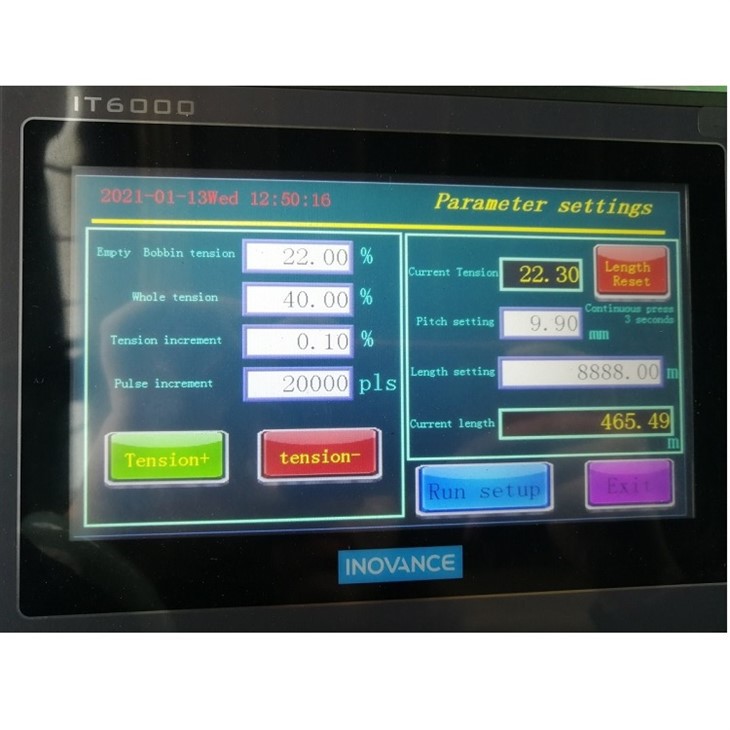
Software also plays a crucial role in the integration. You'll need a control software that can manage the entire automated production line. This software can be used to set the parameters for the wire stranding machine, such as the twist pitch and the speed. It can also collect data on the production process, which can be used for analysis and quality control.
Of course, integrating a wire stranding machine into an automated production line isn't without its challenges. One of the main challenges is the complexity of the system. There are many components involved, and if one part fails, it can disrupt the entire production process. That's why it's important to have a reliable maintenance plan in place. Regular inspections and preventive maintenance can help identify and fix potential problems before they cause major disruptions.
Another challenge is the need for skilled technicians. Operating and maintaining an automated production line requires a certain level of technical knowledge. You'll need to train your staff to handle the new system or hire experienced technicians. This investment in training or hiring is necessary to ensure the smooth operation of the production line.
Despite these challenges, the benefits of integrating a wire stranding machine into an automated production line far outweigh the drawbacks. It's a great way to stay competitive in today's market, where customers demand high - quality products at a fast pace.
If you're considering integrating a wire stranding machine into your automated production line, I'd love to help. As a supplier, I have the expertise and the products to make this process as smooth as possible. Whether you need advice on choosing the right machine or assistance with the integration process, I'm here for you. Don't hesitate to reach out for a consultation and let's discuss how we can take your production to the next level.
References
- Industry reports on wire and cable manufacturing
- Technical manuals of wire stranding machines and related equipment