

Hey there! As a supplier of Gold Wire Drawing Machines, I've been getting a lot of questions lately about the role of the transmission system in these machines. So, I thought I'd take a few minutes to break it down for you.
First off, let's talk about what a gold wire drawing machine actually does. In a nutshell, it takes a thick gold wire and gradually reduces its diameter through a series of drawing dies. This process is crucial for making gold wires that are used in a wide range of applications, from jewelry-making to electronics.
Now, the transmission system in a gold wire drawing machine is like the heart of the operation. It's responsible for transferring power from the motor to the various components of the machine, ensuring that everything runs smoothly and efficiently.
One of the key functions of the transmission system is to control the speed of the wire drawing process. By adjusting the speed, we can ensure that the gold wire is drawn at the optimal rate, which helps to maintain its quality and integrity. If the speed is too fast, the wire may break or become uneven. On the other hand, if the speed is too slow, the process becomes inefficient and time-consuming.
The transmission system also plays a vital role in maintaining the tension of the gold wire during the drawing process. Tension control is essential because it affects the final diameter and surface finish of the wire. If the tension is too high, the wire may stretch or break. If the tension is too low, the wire may not be drawn properly, resulting in a rough or uneven surface.
Another important aspect of the transmission system is its ability to provide precise torque. Torque is the rotational force that is applied to the wire drawing dies. By providing the right amount of torque, the transmission system ensures that the dies can effectively reduce the diameter of the gold wire without causing any damage.
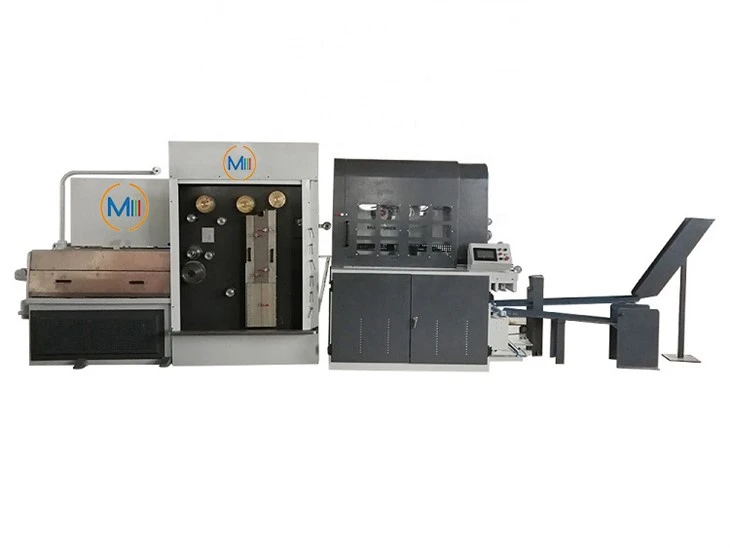

There are different types of transmission systems used in gold wire drawing machines, including mechanical, hydraulic, and electrical systems. Each type has its own advantages and disadvantages, and the choice of system depends on various factors such as the size and capacity of the machine, the required speed and precision, and the specific application.
Mechanical transmission systems are the most traditional type. They use gears, belts, and pulleys to transfer power from the motor to the drawing dies. These systems are relatively simple and reliable, but they may require more maintenance and have limited speed and torque control capabilities.
Hydraulic transmission systems, on the other hand, use hydraulic fluid to transfer power. They offer better speed and torque control, as well as smoother operation. However, they can be more complex and expensive to install and maintain.
Electrical transmission systems are becoming increasingly popular in modern gold wire drawing machines. They use electric motors and controllers to provide precise speed and torque control. These systems are highly efficient, offer excellent performance, and can be easily integrated with other automation systems.
As a supplier of Gold Wire Drawing Machines, we offer a range of machines with different transmission systems to meet the diverse needs of our customers. Whether you're looking for a Combine Continue Wire Drawing Machine, a Silver Plating Copper Wire Drawing Machine, or a Gold Wire Drawing Machine, we've got you covered.
In addition to the basic functions of speed, tension, and torque control, the transmission system in our gold wire drawing machines also incorporates advanced features such as overload protection and automatic adjustment. These features help to ensure the safety and reliability of the machine, as well as to improve the overall efficiency of the wire drawing process.
Overload protection is a crucial feature that prevents the machine from being damaged in case of excessive load. If the load on the machine exceeds a certain limit, the transmission system will automatically shut down to avoid any potential damage. This not only protects the machine but also helps to prevent accidents and injuries.
Automatic adjustment is another useful feature that allows the machine to adapt to different wire diameters and drawing conditions. The transmission system can automatically adjust the speed, tension, and torque based on the input parameters, ensuring that the wire is drawn with the highest quality and precision.
So, if you're in the market for a gold wire drawing machine, it's important to pay close attention to the transmission system. A good transmission system can make a big difference in the performance and reliability of the machine, as well as in the quality of the final product.
If you have any questions or need more information about our Gold Wire Drawing Machines, feel free to reach out to us. We're always happy to help and look forward to discussing your specific requirements. Whether you're a small jewelry maker or a large-scale electronics manufacturer, we can provide you with the right solution to meet your needs.
In conclusion, the transmission system in a gold wire drawing machine is a critical component that plays a key role in the overall performance and efficiency of the machine. By providing precise speed, tension, and torque control, as well as advanced features such as overload protection and automatic adjustment, it ensures that the gold wire is drawn with the highest quality and precision. If you're interested in learning more about our products or have any questions, don't hesitate to contact us. We're here to help you take your wire drawing process to the next level.
References
- General knowledge of wire drawing machine technology and industry practices.