


Hey there! As a supplier of the Bow Buncher Machine 630, I often get asked about its electromagnetic compatibility (EMC). So, let's dive right in and break it down.
First off, what exactly is electromagnetic compatibility? In simple terms, EMC is all about how well a piece of equipment can operate in its electromagnetic environment without causing interference to other devices and, at the same time, being immune to the electromagnetic interference (EMI) from other sources. It's like a well - behaved guest at a party who doesn't disrupt others and can also handle the noise around them.
For the Bow Buncher Machine 630, electromagnetic compatibility is crucial. This machine is used in the wire and cable industry, specifically for stranding wires. It has a complex set of electrical and electronic components that work together to perform its functions. These components generate electromagnetic fields as they operate, and if not properly managed, these fields can cause problems.
One of the main concerns regarding EMC in the Bow Buncher Machine 630 is the potential for radiated emissions. When the electrical circuits in the machine are in operation, they can radiate electromagnetic waves into the surrounding environment. These radiated emissions can interfere with other electronic devices in the vicinity, such as nearby control systems, communication equipment, or even other machines on the factory floor.
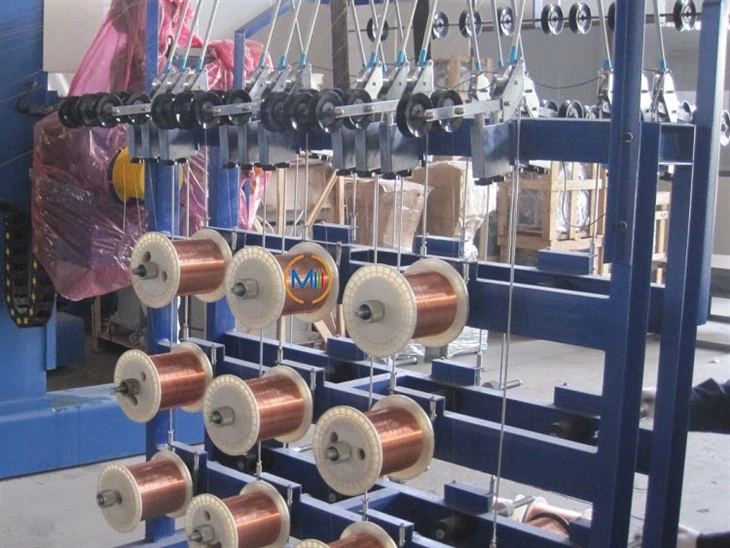

To address this issue, we've taken several measures during the design and manufacturing of the Bow Buncher Machine 630. First, we use high - quality shielding materials for the electrical components. These shields act as a barrier, preventing the electromagnetic waves from escaping the machine and causing interference. For example, the control panels and motor enclosures are made with materials that can absorb and redirect the radiated energy.
Another important aspect is the grounding system. A proper grounding system is essential for EMC. It provides a path for the electrical currents to flow safely to the ground, reducing the build - up of electrical charges that could lead to radiated emissions. In the Bow Buncher Machine 630, we've designed a robust grounding system that ensures all electrical components are properly connected to the ground.
In addition to radiated emissions, we also need to consider conducted emissions. Conducted emissions occur when the electrical noise generated by the machine is conducted through the power supply lines or signal cables. This can affect other devices that are connected to the same power source or share the same signal network.
To mitigate conducted emissions, we've installed filters in the power supply and signal lines of the Bow Buncher Machine 630. These filters are designed to block the high - frequency noise while allowing the normal power and signal frequencies to pass through. This way, the electrical noise generated by the machine doesn't spread to other parts of the electrical system.
Now, let's talk about the immunity of the Bow Buncher Machine 630 to external electromagnetic interference. The factory environment can be a harsh place in terms of EMI. There are all sorts of sources of interference, such as radio frequency transmitters, lightning strikes, and even other machines operating nearby.
Our machine is designed to be resistant to these external interferences. We've used components that have high electromagnetic immunity ratings. For example, the microcontrollers and sensors in the machine are selected for their ability to operate reliably in the presence of electromagnetic noise. Additionally, we've implemented software algorithms that can detect and correct any errors caused by EMI.
The Bow Buncher Machine 630 also undergoes rigorous testing to ensure its electromagnetic compatibility. We test the machine in an electromagnetic compatibility laboratory, where it is exposed to a variety of electromagnetic fields and interference sources. This allows us to measure its radiated and conducted emissions, as well as its immunity to external interference. Only after passing these tests is the machine approved for production and sale.
If you're in the market for a wire stranding machine, you might also be interested in our other products. Check out our Wire Stranding Machine, which offers similar high - quality performance and excellent EMC characteristics. And for those specifically looking for a copper wire stranding solution, our Copper Wire Stranding Machine is a great option. We also have the Wire Buncher Machine 1250, which is suitable for larger - scale wire bunching operations.
In conclusion, the electromagnetic compatibility of the Bow Buncher Machine 630 is a top priority for us. We've put in a lot of effort in the design, manufacturing, and testing processes to ensure that the machine operates smoothly in its electromagnetic environment, without causing interference to other devices and being able to withstand external interference. If you're interested in learning more about our Bow Buncher Machine 630 or any of our other products, feel free to reach out to us for a purchase negotiation. We're always happy to discuss your specific needs and provide you with the best solutions.
References
- "Electromagnetic Compatibility Engineering" by Henry W. Ott
- Industry standards for wire stranding machines and EMC requirements


