


Hey there! I'm a supplier of bunching machines, and today I want to talk about a super important topic: how the quality of input materials affects the bunching process.
Let's start by understanding what the bunching process is. In simple terms, a bunching machine takes multiple strands of wire and twists them together to form a single, stronger cable. This process is crucial in industries like electrical wiring, telecommunications, and automotive manufacturing. But did you know that the quality of the input materials can make or break the bunching process?
Impact on Twisting Uniformity
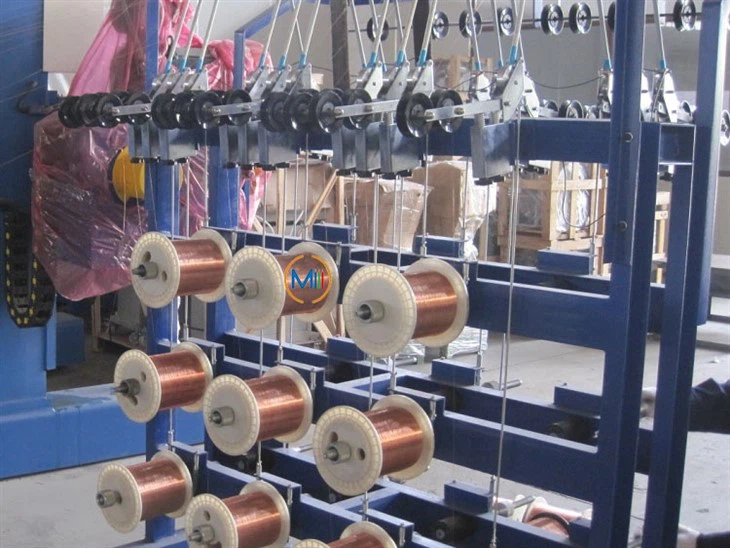
First off, let's look at how material quality affects twisting uniformity. When you're using high - quality input wires, they tend to have consistent diameters and mechanical properties. This consistency allows the bunching machine to twist the wires evenly. For example, if you're using Copper Wire Stranding Machine, high - quality copper wires will twist smoothly, creating a uniform cable structure.
On the other hand, low - quality wires may have irregular diameters. Some parts of the wire might be thicker, while others are thinner. This inconsistency can cause problems during the bunching process. The bunching machine might struggle to twist the wires evenly, leading to a cable with uneven twists. These uneven twists can weaken the cable's overall strength and electrical conductivity.
Influence on Tensile Strength
Tensile strength is another key factor influenced by the quality of input materials. High - quality wires are usually made from materials with good ductility and strength. When these wires are bunched together, the resulting cable has high tensile strength. This means it can withstand a lot of pulling force without breaking.
For instance, if you're using a Wire Buncher Machine 1250 to bunch high - quality steel wires, the final cable will be able to handle heavy loads. However, if the input steel wires are of poor quality, they may have internal defects or impurities. These defects can reduce the cable's tensile strength. A cable with low tensile strength is more likely to break during installation or use, which can be a huge headache for end - users.
Effect on Electrical Conductivity
In the electrical industry, electrical conductivity is of utmost importance. High - quality conductive materials, like pure copper, have excellent electrical conductivity. When these materials are used as input in a bunching machine, the resulting cable can efficiently transmit electricity.
If you use low - quality copper wires with impurities or oxidation on the surface, the electrical conductivity of the cable will be significantly reduced. This can lead to power losses, overheating, and even electrical failures. Using a Bow Buncher Machine 630 with high - quality copper wires ensures that the final cable meets the required electrical standards.
Impact on Machine Wear and Tear
The quality of input materials also affects the wear and tear of the bunching machine. High - quality wires are generally smoother and more consistent. They cause less friction and abrasion on the machine's components during the bunching process. This means that the machine will last longer and require less maintenance.
In contrast, low - quality wires with rough surfaces or hard impurities can cause excessive wear on the machine's dies, guides, and other moving parts. This not only shortens the lifespan of the machine but also increases the frequency of maintenance and repair, which can be costly for the user.
Considerations for Material Selection
So, how do you choose the right input materials for your bunching process? Here are some tips. First, look for materials with consistent physical properties. Check the diameter tolerance, surface finish, and mechanical strength of the wires. You can ask the material supplier for test reports to verify the quality.
Second, consider the application of the final cable. If it's for high - voltage electrical transmission, you'll need high - purity conductive materials. For applications where mechanical strength is more important, like in suspension cables, choose materials with high tensile strength.
Conclusion
In conclusion, the quality of input materials has a profound impact on the bunching process. It affects the twisting uniformity, tensile strength, electrical conductivity, and even the wear and tear of the bunching machine. As a bunching machine supplier, I always recommend my customers to use high - quality input materials to ensure the best results.
If you're in the market for a bunching machine or need more information on how to choose the right input materials for your specific needs, don't hesitate to reach out. We're here to help you make the right decisions and get the most out of your bunching process. Let's have a chat and see how we can work together to achieve your goals.

References
- "Wire and Cable Technology Handbook" by John M. Schetky
- Industry standards and guidelines related to wire bunching and cable manufacturing.


