


Do ABS plastic spools float in water? This is a question that might seem simple at first glance but holds implications for various industries, especially those related to wire and cable management. As a leading supplier of ABS plastic spools, I often encounter this question from our clients. In this blog, we'll explore the science behind whether ABS plastic spools float in water, and also discuss how this knowledge can be useful in different applications.
Understanding ABS Plastic
ABS, or Acrylonitrile Butadiene Styrene, is a widely used thermoplastic polymer. It is well - known for its strength, toughness, and relatively low cost. ABS plastic is commonly used in a variety of products, from automotive parts to toys, and of course, plastic spools.
The density of a material is a key factor in determining whether it will float or sink in water. The density of water is approximately 1 g/cm³. If a material has a density less than 1 g/cm³, it will float; if its density is greater than 1 g/cm³, it will sink. The density of ABS plastic typically ranges from 1.04 to 1.06 g/cm³. This means that, based on its density alone, an ABS plastic spool would generally sink in water.
However, the situation isn't always that straightforward. The shape and design of the spool can play a significant role. If the spool is hollow and has a large amount of air - filled space inside, it can displace enough water to generate a buoyant force greater than its weight. According to Archimedes' principle, the buoyant force acting on an object immersed in a fluid is equal to the weight of the fluid displaced by the object.
Practical Applications of ABS Plastic Spools
Our ABS plastic spools are primarily used in the wire and cable industry for storing and transporting various types of wires. In many cases, these spools are used in industrial settings where encountering water may not be a common occurrence. But there are scenarios where understanding their buoyancy can be useful.
For example, in coastal or marine - related industries that use wires and cables, there is a risk of the spools falling into water. If a spool floats, it can be easily retrieved, reducing the loss of both the spool and the valuable wire it contains. Similarly, in some water - based construction projects where cables are installed underwater, the ability of the spool to float can aid in the deployment process.

The durability of ABS plastic also makes our spools suitable for long - term storage and repeated use. They can withstand a certain amount of impact and environmental stress, ensuring that the wire wound on them remains safe and intact.
Our Product Range and Characteristics
We offer a wide range of ABS plastic spools in different sizes and specifications to meet the diverse needs of our clients. Our spools are designed with precision to ensure that they can wind different types of wires, including copper wires used in electrical applications.
When it comes to wire - drawing processes, having reliable equipment and accessories is crucial. In addition to our ABS plastic spools, we can also introduce you to some high - quality wire - drawing machine accessories. For instance, the Copper Wire Welding Machine is an essential tool for joining copper wires during the manufacturing process. It helps to ensure a strong and seamless connection between wires, improving the overall quality of the final product.
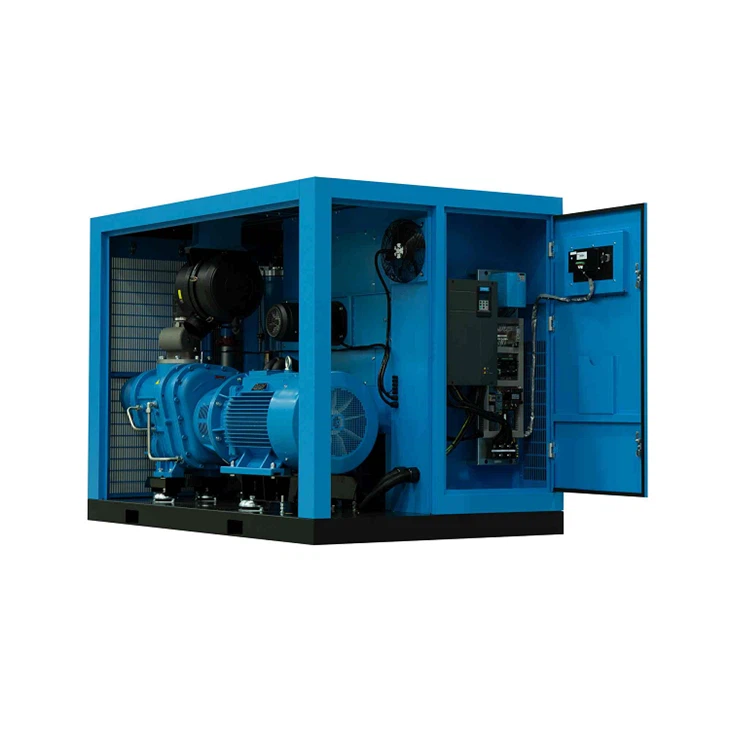
Another important accessory is the Air Compressor For Wire Drawing. This compressor provides the necessary air pressure for the wire - drawing machine to operate efficiently, ensuring a smooth and continuous production process.
The Butt Welder For Wire Drawing is also a key component in the wire - manufacturing industry. It is used for butt - welding the ends of wires, which is crucial for maintaining the integrity of the wire during the drawing process.
Quality Assurance and Service
We understand that quality is of utmost importance to our clients. That's why we have strict quality control measures in place throughout the production process of our ABS plastic spools. Our team of experts conducts regular inspections to ensure that every spool meets the highest standards of quality and durability.
In addition to high - quality products, we also provide excellent customer service. Our sales team is always ready to assist you with any questions or concerns you may have. Whether you need help in selecting the right size of spool for your wires or advice on the best wire - drawing machine accessories, we are here to support you.
Advantages of Partnering with Us
Partnering with us as your ABS plastic spool supplier brings several advantages. Firstly, our products are competitively priced without compromising on quality. We are committed to providing cost - effective solutions to our clients, which can help you to reduce your overall production costs.
Secondly, we have a large inventory of ABS plastic spools, which means we can fulfill your orders in a timely manner. Whether you need a small quantity for a prototype project or a large batch for mass production, we can meet your requirements.
Finally, our technical support team has in - depth knowledge of ABS plastic and wire - winding applications. They can offer valuable insights and guidance on how to get the most out of our products, ensuring that you achieve the best results in your wire and cable projects.
Conclusion
In conclusion, while the density of ABS plastic suggests that an ABS plastic spool would typically sink in water, the shape and design of the spool can influence its buoyancy. Whether it floats or sinks, our ABS plastic spools offer reliability, durability, and a high level of performance for wire and cable storage and transportation.
If you are in the market for high - quality ABS plastic spools or related wire - drawing machine accessories, we invite you to get in touch with us for a detailed discussion. We are eager to partner with you and help you achieve your production goals.
References
- Callister, W. D., & Rethwisch, D. G. (2018). Materials Science and Engineering: An Introduction. John Wiley & Sons.
- Incropera, F. P., DeWitt, D. P., Bergman, T. L., & Lavine, A. S. (2019). Fundamentals of Heat and Mass Transfer. John Wiley & Sons.


