


Are ABS plastic spools resistant to acids?
As a supplier of ABS plastic spools, I often encounter inquiries regarding the chemical resistance of our products, particularly their ability to withstand acids. This blog post aims to provide a comprehensive analysis of the acid resistance of ABS plastic spools, drawing on scientific knowledge and practical experience in the industry.
Understanding ABS Plastic
Acrylonitrile Butadiene Styrene (ABS) is a common thermoplastic polymer known for its strength, toughness, and ease of processing. It is a terpolymer composed of three monomers: acrylonitrile, butadiene, and styrene. The acrylonitrile component provides chemical resistance and hardness, the butadiene contributes to toughness and impact resistance, and the styrene gives the material a good surface finish and processability.
ABS plastic is widely used in various industries, including automotive, electronics, and consumer goods, due to its excellent mechanical properties and relatively low cost. In the context of spools, ABS is favored for its ability to hold and dispense wires, cables, and other materials securely.
Acid Resistance of ABS Plastic
The acid resistance of ABS plastic depends on several factors, including the type and concentration of the acid, temperature, and exposure time. Generally, ABS plastic has moderate resistance to weak acids but is less resistant to strong acids.
-
Weak Acids: ABS plastic can withstand short - term exposure to weak acids such as acetic acid (found in vinegar) and citric acid. These acids typically have a pH value above 2.5. In normal environmental conditions, ABS spools can maintain their integrity when in contact with these weak acids for a limited period. For example, in a household or office setting where there might be minor spills of vinegar, the ABS spool is unlikely to be significantly affected.
-
Strong Acids: Strong acids, such as sulfuric acid, hydrochloric acid, and nitric acid, can cause severe damage to ABS plastic. These acids have a low pH value (below 2.5) and are highly corrosive. When ABS comes into contact with strong acids, the chemical structure of the plastic can be altered. The acid can break down the polymer chains, leading to swelling, cracking, and loss of mechanical properties. For instance, if an ABS spool is accidentally exposed to concentrated sulfuric acid, it may start to dissolve or become brittle within a short time.
-
Temperature and Exposure Time: Higher temperatures and longer exposure times can exacerbate the effects of acid on ABS plastic. At elevated temperatures, the chemical reactions between the acid and the plastic occur more rapidly. For example, if an ABS spool is immersed in a weak acid solution at room temperature, it may show only minor signs of degradation over a long period. However, if the same solution is heated, the degradation process can be significantly accelerated.
Applications and Considerations in Acidic Environments
In industrial settings, it is crucial to assess the potential exposure of ABS plastic spools to acids before using them. Here are some common scenarios:
-
Electroplating and Metal Finishing: In electroplating and metal finishing processes, various acids are used for cleaning, etching, and plating. ABS spools may not be suitable for direct contact with the acid baths used in these processes. However, they can be used in areas where there is minimal risk of acid splashing or in applications where the spools are protected from direct acid exposure.
-
Chemical Laboratories: In chemical laboratories, where a wide range of acids are handled, special care must be taken when using ABS spools. If the spools are used to store or transport wires or cables in an area where acid spills are possible, they should be protected with appropriate covers or shields.
-
Water Treatment Plants: Water treatment plants often use acids for pH adjustment. ABS spools can be used in areas where there is no direct contact with the acid solutions. For example, they can be used to store and dispense control cables in the control rooms of the plant.
Complementary Products for Wire - Drawing Processes
In the wire - drawing industry, where our ABS plastic spools are commonly used, there are several complementary products that can enhance the overall efficiency of the process.

- Water Cooling Tower: A water cooling tower is an essential component in wire - drawing machines. It helps to maintain the temperature of the cooling water used in the process, ensuring the proper functioning of the equipment and preventing overheating.
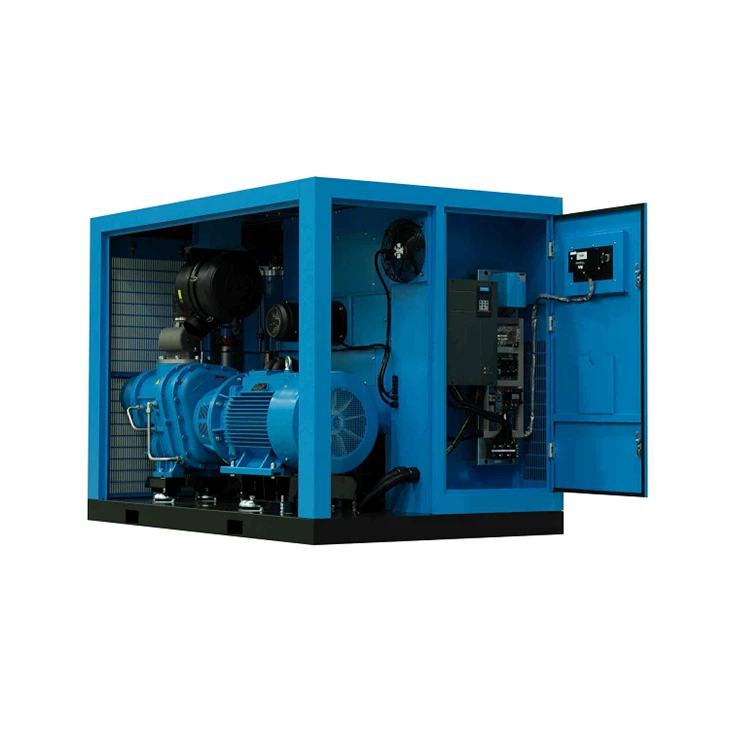
- Air Compressor For Wire Drawing: An air compressor is used to provide compressed air for various functions in the wire - drawing process, such as pneumatic control and cleaning.
- Heat Exchanger For Wire Drawing: A heat exchanger helps to transfer heat from the wire - drawing process to a cooling medium, improving energy efficiency and maintaining stable operating conditions.
Conclusion and Call to Action
In conclusion, ABS plastic spools have moderate resistance to weak acids but are not suitable for long - term or direct contact with strong acids. When considering the use of ABS spools in an environment where acid exposure is a concern, it is essential to assess the type and concentration of the acid, temperature, and exposure time.
As a supplier of high - quality ABS plastic spools, we are committed to providing our customers with products that meet their specific needs. If you are in the market for ABS plastic spools or have any questions about their performance in acidic environments, we encourage you to contact us for further information and to discuss your procurement requirements. Our team of experts is ready to assist you in finding the best solutions for your wire - handling needs.
References
- "Polymer Science and Technology" by Fred W. Billmeyer Jr.
- "Handbook of Plastic Materials and Technology" edited by Irvin I. Rubin.
- Technical data sheets provided by ABS plastic manufacturers.


