


Calibrating the Bow Buncher Machine 630 is a crucial process that ensures the machine operates at its optimal performance, producing high - quality bunched wires. As a supplier of the Bow Buncher Machine 630, I understand the significance of proper calibration and am here to guide you through the process.
Understanding the Bow Buncher Machine 630
Before delving into the calibration process, it's essential to have a basic understanding of the Bow Buncher Machine 630. This machine is designed for the efficient bunching of wires, which is a key step in the production of various electrical cables. It combines multiple wires into a single bundle, providing better organization and electrical conductivity.
The Bow Buncher Machine 630 has several components that work in harmony to achieve the bunching process. These include the pay - off stands, which hold the individual wires; the bunching head, where the actual bunching occurs; and the take - up unit, which collects the bunched wires. Each component must be calibrated correctly to ensure the overall performance of the machine.
Pre - calibration Checks
Before starting the calibration process, it's necessary to perform a series of pre - calibration checks. These checks help identify any potential issues that could affect the calibration or the machine's operation.
- Visual Inspection: Conduct a thorough visual inspection of the machine. Look for any signs of damage, such as broken parts, loose connections, or worn - out components. Check the belts, chains, and gears for proper tension and alignment.
- Cleaning: Clean the machine to remove any dirt, dust, or debris that may have accumulated. Pay special attention to the bunching head and the pay - off stands, as these areas are critical for the bunching process.
- Lubrication: Ensure that all moving parts are properly lubricated. Refer to the machine's manual for the recommended lubricants and lubrication intervals.
Calibration of Pay - off Stands
The pay - off stands are responsible for holding the individual wires and delivering them to the bunching head at a consistent tension. Incorrect tension can lead to uneven bunching and poor - quality output.
- Tension Adjustment: Use a tension meter to measure the tension of each wire on the pay - off stands. Adjust the tensioning devices on the pay - off stands until the tension of all wires is within the recommended range. This range can usually be found in the machine's manual.
- Alignment: Check the alignment of the pay - off stands. The wires should be fed into the bunching head in a straight line. Misaligned pay - off stands can cause the wires to twist or tangle, affecting the bunching process.
Calibration of the Bunching Head
The bunching head is the heart of the Bow Buncher Machine 630. It is where the individual wires are combined into a single bundle.
- Speed Adjustment: The speed of the bunching head is crucial for achieving the desired bunching pitch. Use the machine's control panel to adjust the speed of the bunching head. Refer to the product specifications to determine the appropriate speed for the type of wires being bunched.
- Twist Adjustment: The twist of the bunched wires is another important parameter. Adjust the twist mechanism on the bunching head to achieve the correct twist per unit length. This can be measured using a twist meter.
- Guide Roller Alignment: The guide rollers in the bunching head help guide the wires during the bunching process. Ensure that the guide rollers are properly aligned and that the wires pass through them smoothly.
Calibration of the Take - Up Unit
The take - up unit is responsible for collecting the bunched wires and winding them onto a spool.
- Tension Control: Similar to the pay - off stands, the take - up unit requires proper tension control. Adjust the tensioning device on the take - up unit to ensure that the bunched wires are wound onto the spool with the correct tension. Too much tension can cause the wires to break, while too little tension can result in loose winding.
- Spool Alignment: Check the alignment of the spool on the take - up unit. The spool should be centered and rotate smoothly. Misaligned spools can cause uneven winding and damage to the bunched wires.
Verification and Testing
After completing the calibration process, it's important to verify the calibration and test the machine's performance.
- Sample Production: Run a small batch of wires through the machine to produce a sample of bunched wires. Inspect the sample for quality, including the bunching pitch, twist, and overall appearance.
- Measurement and Comparison: Measure the key parameters of the bunched wires, such as the bunching pitch and twist, and compare them with the desired specifications. If there are any discrepancies, further adjustments may be required.
Troubleshooting Common Calibration Issues
During the calibration process, you may encounter some common issues. Here are some troubleshooting tips:

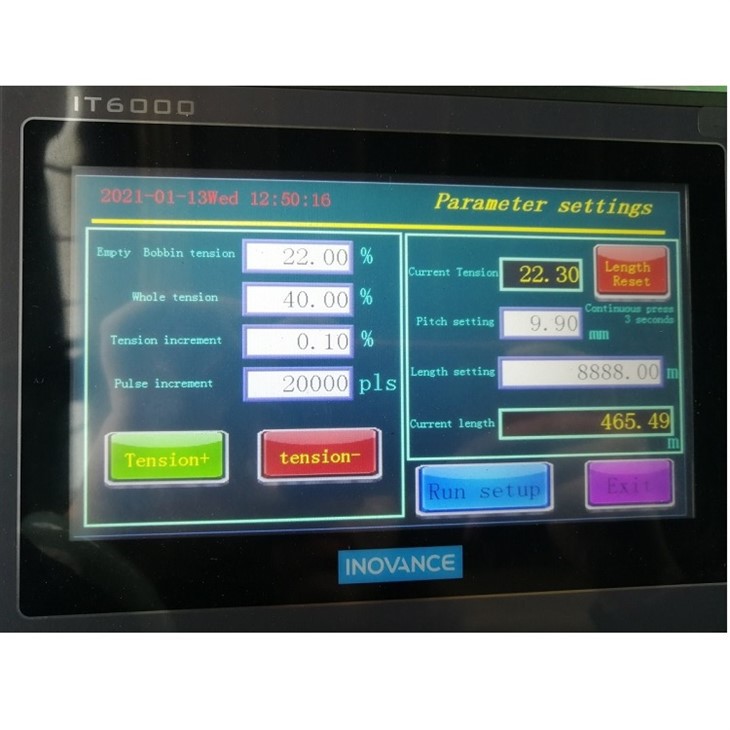
- Uneven Bunching: If the bunched wires are uneven, check the tension of the pay - off stands and the alignment of the guide rollers in the bunching head. Adjust the tension and alignment as necessary.
- Wire Breakage: Wire breakage can be caused by excessive tension or misaligned components. Check the tension on the pay - off stands and the take - up unit, and ensure that all components are properly aligned.
- Incorrect Twist: If the twist of the bunched wires is incorrect, adjust the twist mechanism on the bunching head. Refer to the machine's manual for the correct adjustment procedure.
Related Machines
In addition to the Bow Buncher Machine 630, there are other machines that are commonly used in the wire and cable industry. For example, the Double Twist Machine is used for twisting wires together, providing a more compact and stable structure. The Wire Stranding Machine is designed for stranding multiple wires into a single cable, and the Cable Bunching Machine is used for bunching cables of different sizes.
Conclusion
Calibrating the Bow Buncher Machine 630 is a complex but essential process that ensures the machine's optimal performance and the production of high - quality bunched wires. By following the steps outlined in this blog, you can effectively calibrate the machine and troubleshoot any issues that may arise.
If you are in the market for a Bow Buncher Machine 630 or need further assistance with calibration or maintenance, we are here to help. Our team of experts has extensive experience in the wire and cable industry and can provide you with the support you need. Contact us to discuss your requirements and explore how our machines can meet your production needs.
References
- Manufacturer's Manual of Bow Buncher Machine 630
- Industry Standards for Wire Bunching and Stranding


